 Fiber
 Connect
 Omnipub
Your entire PDF corpus, ready for AI.
How we got here
Your catalog was built for people to find. Now AI has to understand it.
Most publishers hold thousands, often millions, of PDFs, laid down in layers over thirty years. Each layer solved the problem of its day.
Old or new, your PDFs weren't made for AI.
A scan from 1960 and a PDF from last month fail in different ways, but both fail. Getting your corpus ready means more than better OCR: every page has to be rebuilt as a document an AI can navigate, quote, and credit. That is what Cashmere does, for every PDF you hold.
The problem
Not all PDFs are created equal
Whether software can read a PDF depends on how it was made, and the oldest files, often the most valuable in a catalog, are the hardest of all. Here is one equation from each kind, three ways.
- Hard
Born digital
LIGO 2016 · Kakeya 2025 · Beilstein 2026The text is real, but it is stored as letters placed on a page, in the font’s own private encoding. Fractions fall apart, = becomes ¼, and a two-column page reads straight across both columns.
The page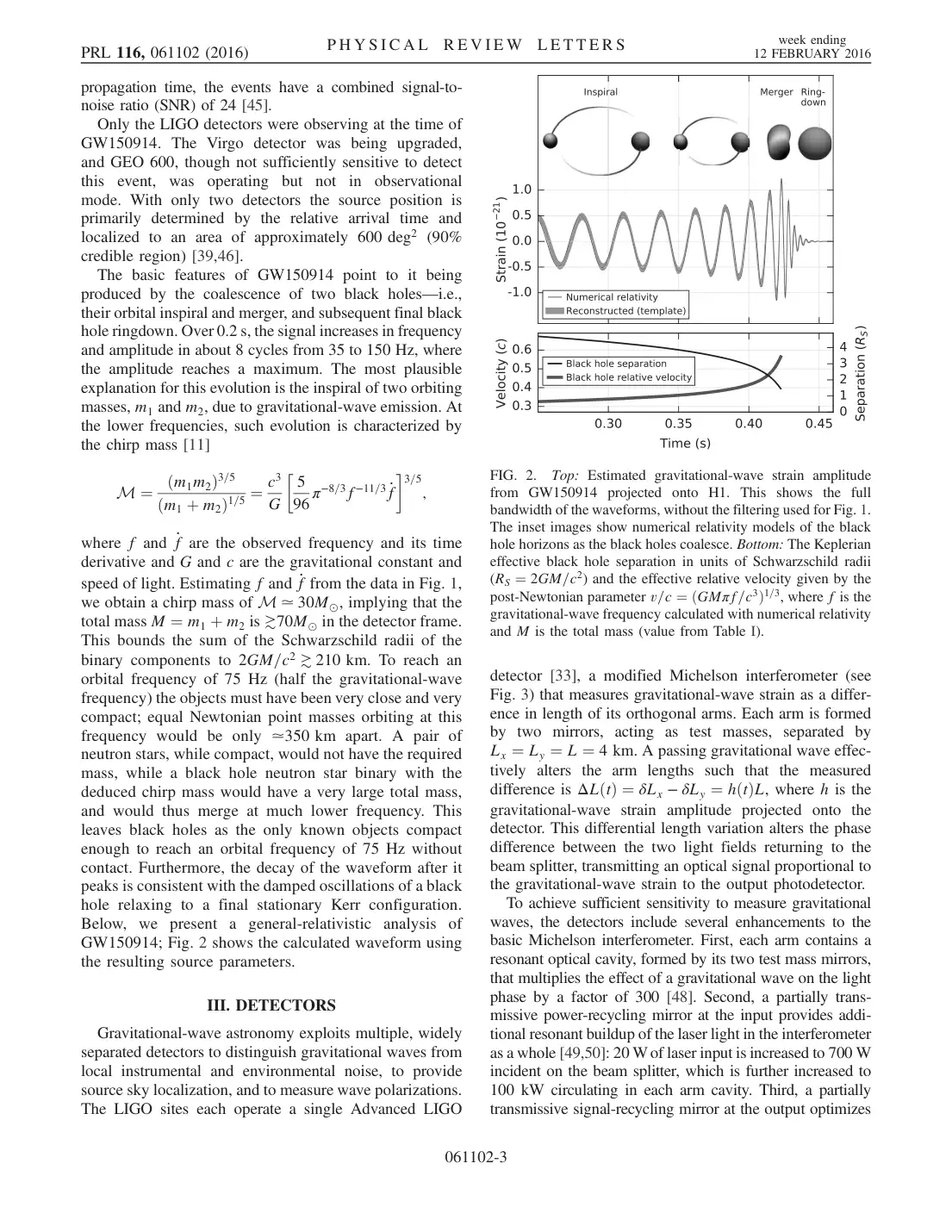 What the PDF's own text says
M ¼ ðm1m2Þ3=5 ðm1 þ m2Þ1=5 ¼ c3 G 5 96 π−8=3f−11=3 _f 3=5 ;
Text layer: present, scrambledWhat the omnipub saysLIGO, 2016, page 3 - Harder
Scanned print
Einstein 1905 · NACA 1953A photograph of a printed page. The only text is an OCR layer added later, which reads ordinary words and gives up on everything else: equations, tables, and symbols.
The page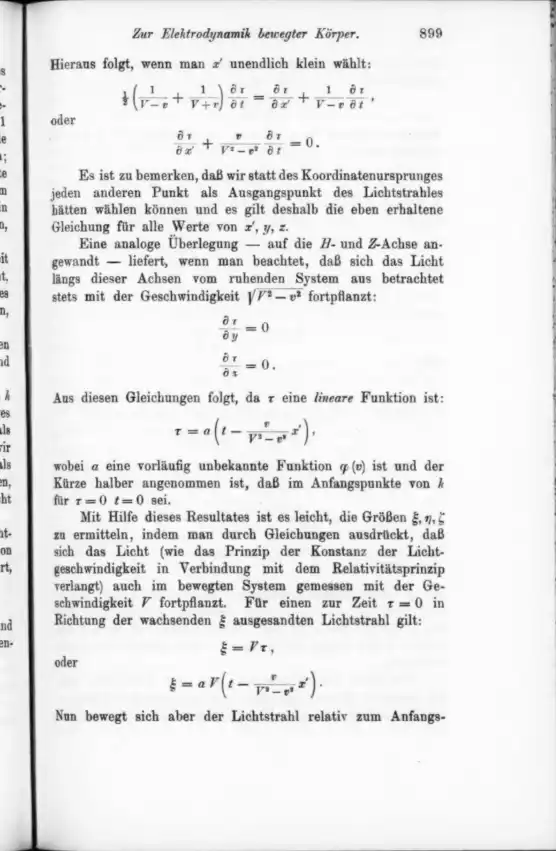 What the PDF's own text says
=
Ot
Or
9:
oder
let.
OCR layer: fragmentsWhat the omnipub saysEinstein, 1905, page 9 - Hardest
Typewritten originals
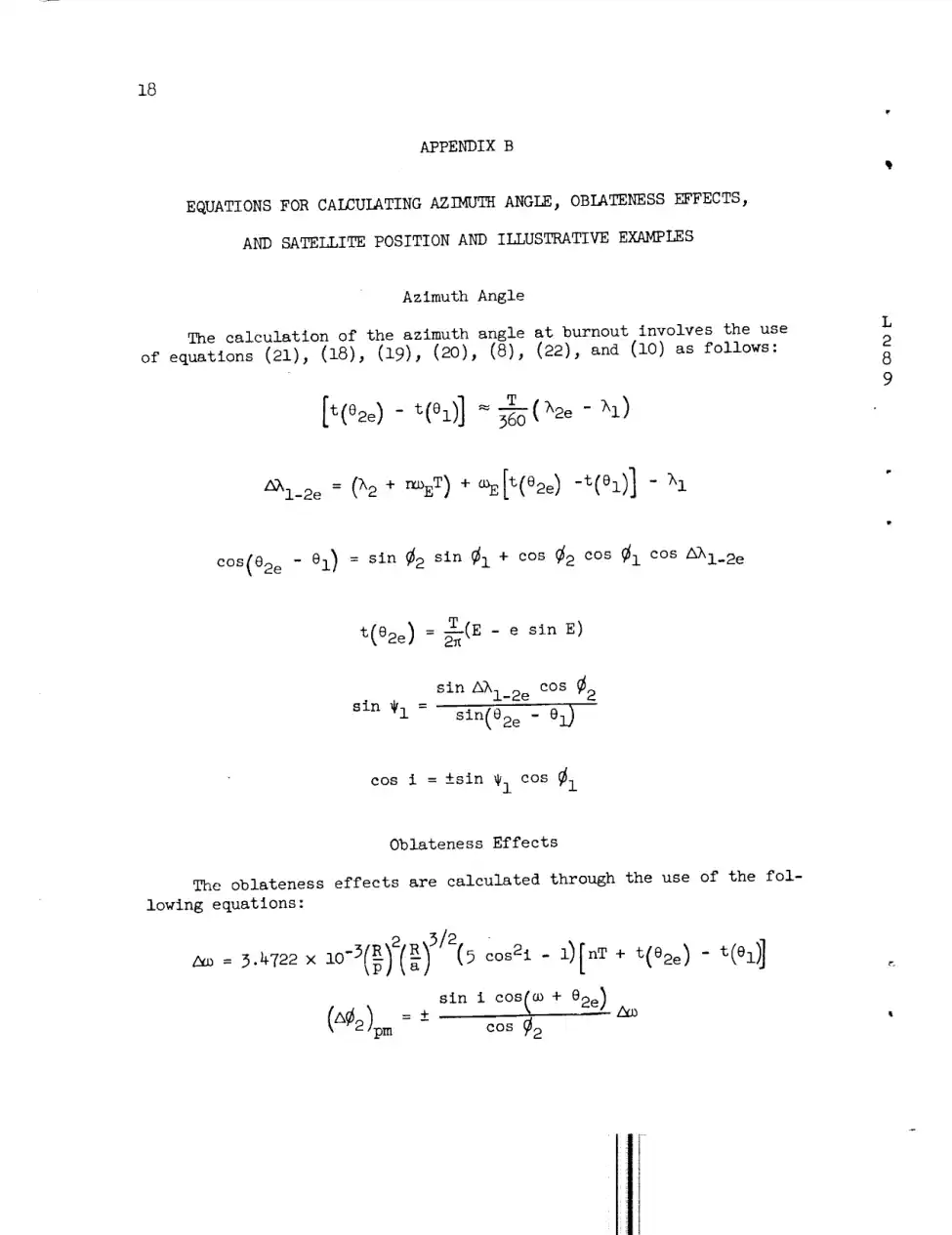
NASA TN D-233, Katherine Johnson, 1960Typed, copied, and scanned from the copy. Uneven strikes, stamps, and margin notes, and Greek letters the OCR never learned: every λ, ω, and θ below is lost or misread.
The pageWhat the PDF's own text says2_i_2e = (h2 + r_oET) + _E[t(e2e) -t(el)] - h I
OCR layer: symbols lostWhat the omnipub saysNASA TN D-233, 1960, page 20
Why it matters
AI can only use what it can read.
A paper that fails ingestion is invisible: it can’t be searched, retrieved, cited, or licensed.
Wrong is worse than missing.
A misread number in a table or a garbled equation doesn’t look broken to an AI. It gets quoted, confidently.
The back catalog is the hard part.
Decades of scanned journals, reports, and books hold a publisher’s most distinctive content, and they are the nastiest PDFs of all.
How it works
From a page of ink to a document AI can use
One page of Katherine Johnson’s 1960 NASA paper, all the way through Cashmere. Every picture below is the real page and the real output.
- STEP 01
Start with a PDF
A PDF records where ink goes on a page. To software, this page is a picture: the equations aren't text at all, and its OCR layer reads them as noise.
- STEP 02
Read the page like a person
The Pro parser finds the structure a reader sees: which marks are a heading, a paragraph, an equation, a table, or a figure, and the order they're read in.
- heading26paragraph235equation84table11figure13list item24787 blocks in the whole paperSTEP 03
Make every piece a block
Each piece becomes an omnipub block with a type and a stable address, so it can be searched, quoted, cited, and licensed on its own. Equations become real math.
- Contents
- SUMMARY3
- INTRODUCTION4
- SYMBOLS102
- SATELLITE POSITION RELATIONSHIPS5
- EXPRESSION FOR PLACING A SATELLITE OVER A SELECTEDPOSITION27
- APPENDIX B1
- EQUATIONS FOR CALCULATING AZIMUTH ANGLE, OBLATENESS EFFECTS,AND SATELLITE POSITION AND ILLUSTRATIVE EXAMPLES1
- Azimuth Angle9
- Oblateness Effects6
- Satellite Position
- Illustrative Examples of Orbit Calculations
28 sections · 787 blocks · 7,545 words · 13,716 tokensSTEP 04Assemble the whole paper
The blocks are put back together as the paper itself: sections inside sections, in reading order, each with its own address. The result is one document an AI can navigate and measure, from its table of contents down to a single equation.
{
  "path": "dete/expr/ab/equa/azim/m1",
  "type": "math",
  "alttext": "[t(\\theta_{2e}) - t(\\theta_1)] \\approx \\frac{T}{360} (\\lambda_{2e} - \\lambda_1)",
  "fingerprint": "sha256:a73139c4833c122…",
  "section": "Azimuth Angle",
  "origin": {
    "page": 20,
    "region": [
      235.5,
      491.4,
      368.8,
      510.1
    ]
  }
}
STEP 05Keep the link to the page
Every block remembers where it sat on the original page. An answer can cite the exact equation it used, and anyone can check it against the source.
Why Cashmere
Parsed isn’t the same as AI-ready
Plenty of tools can pull text out of a PDF. An AI needs more: what each piece is, where it belongs, where it came from, and what it may be used for. That is the work Cashmere does, on the files other pipelines give up on.
Right on the hard pages
Layout, text, math, and tables are read from the page image itself, not from the broken text layer, so a 1905 scan comes out as clean as a 2025 preprint.
Structured like the work
Headings, sections, and reading order are kept, and every block gets a stable address. An AI can find the right passage instead of guessing from a wall of text.
Traceable to the source
Every block keeps its place on the original page. An answer can cite the exact paragraph or equation it used, and anyone can check it.
Licensed and measured
Rights travel with the content, and use is counted block by block, so you know what AI systems read and you get paid for it.
6 papers, 335 pages, from a 1905 scan to a 2025 preprint, converted by one pipeline with no hand corrections. Bring us your hardest PDFs.
Talk to us about your catalogSee for yourself
Six real papers. Open any one.
Each opens full screen: the original PDF on the left, the omnipub beside it, and the data behind any block you click.
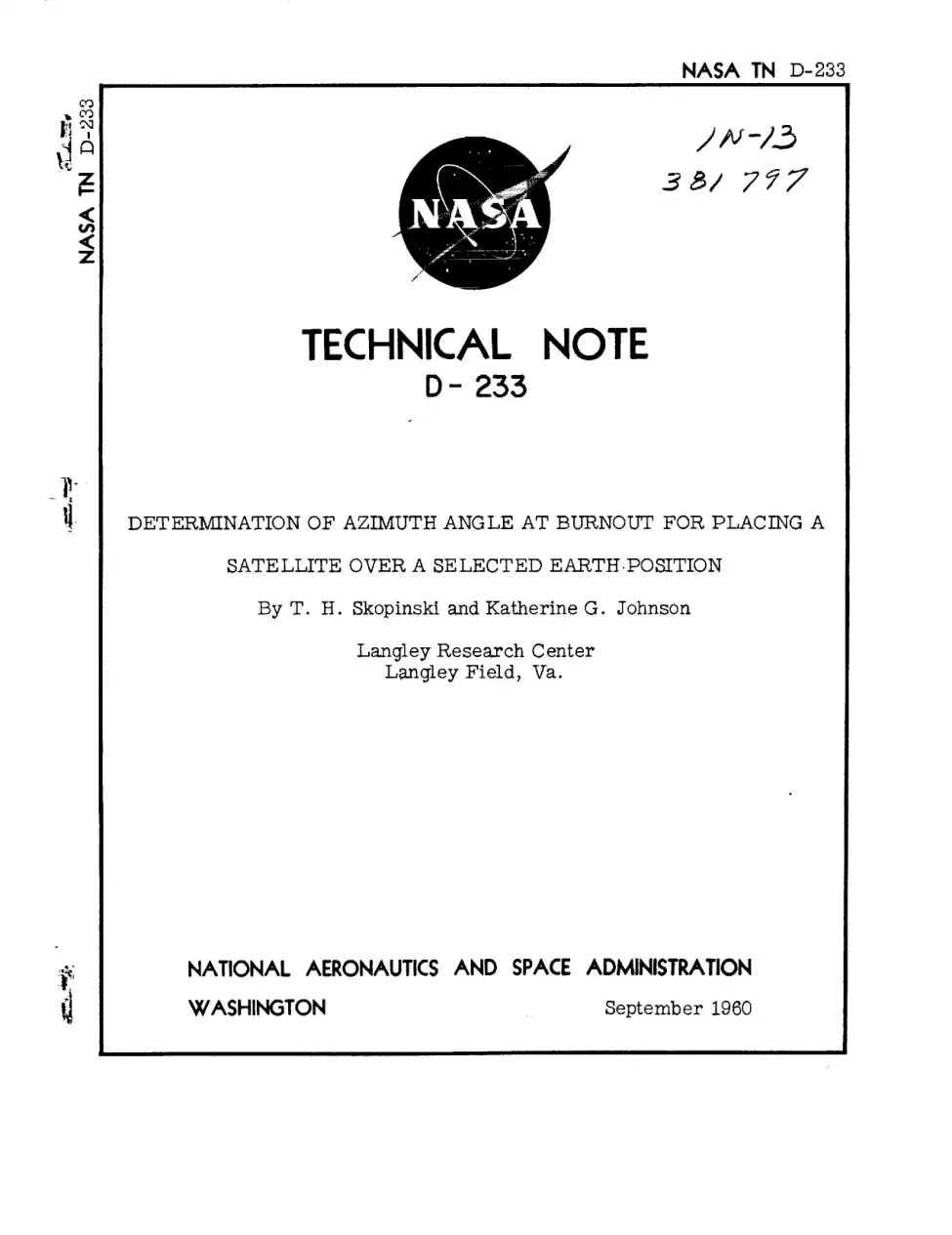 1960 · English · first 20 of 36 pages
Katherine Johnson’s orbit paper
Katherine Johnson’s orbital mechanics, typewritten, with hand-set equations.
Open side by side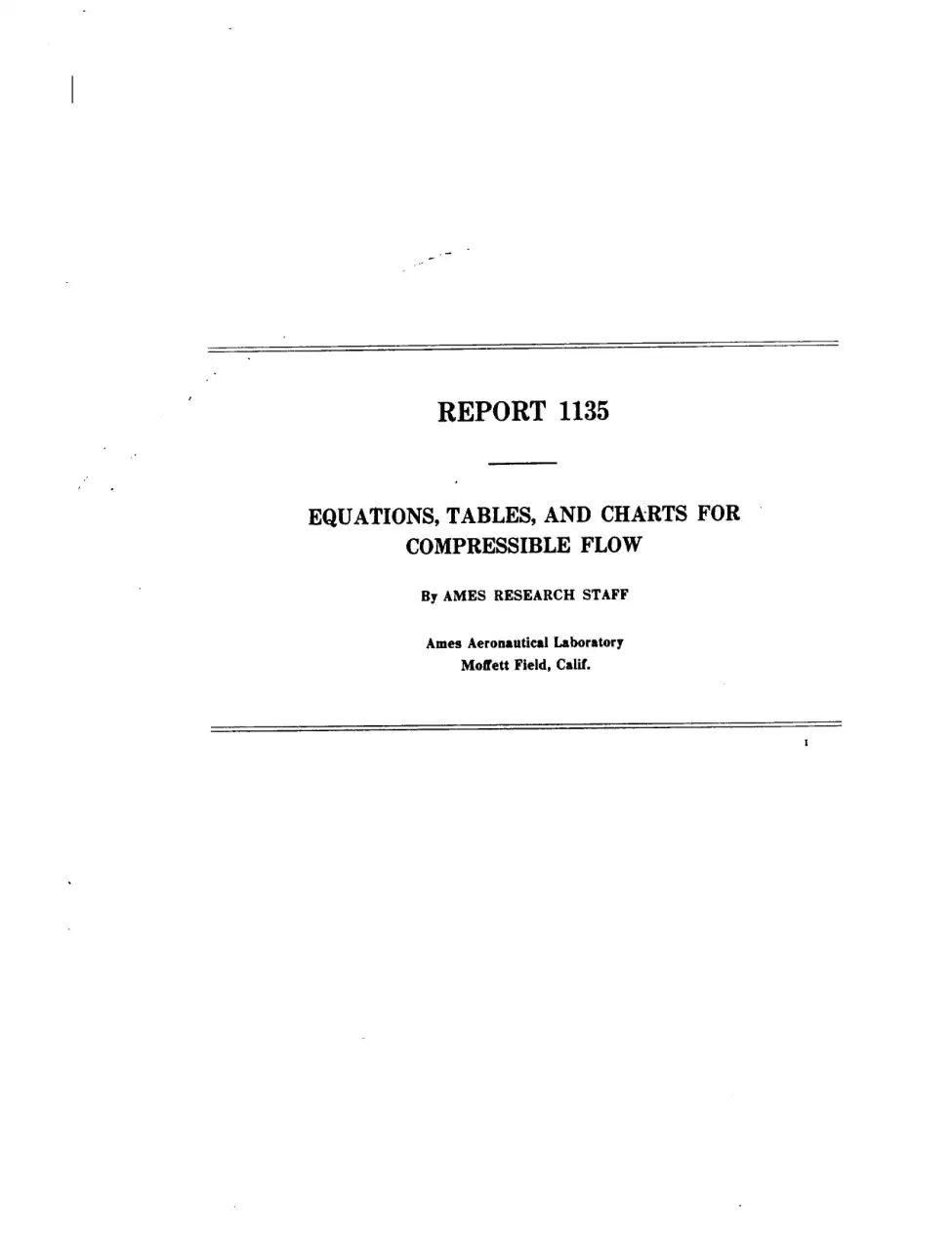 1953 · English · first 20 of 70 pages
Compressible-flow tables
A 70-page scanned reference: dense numeric tables and over 1,500 equations.
Open side by side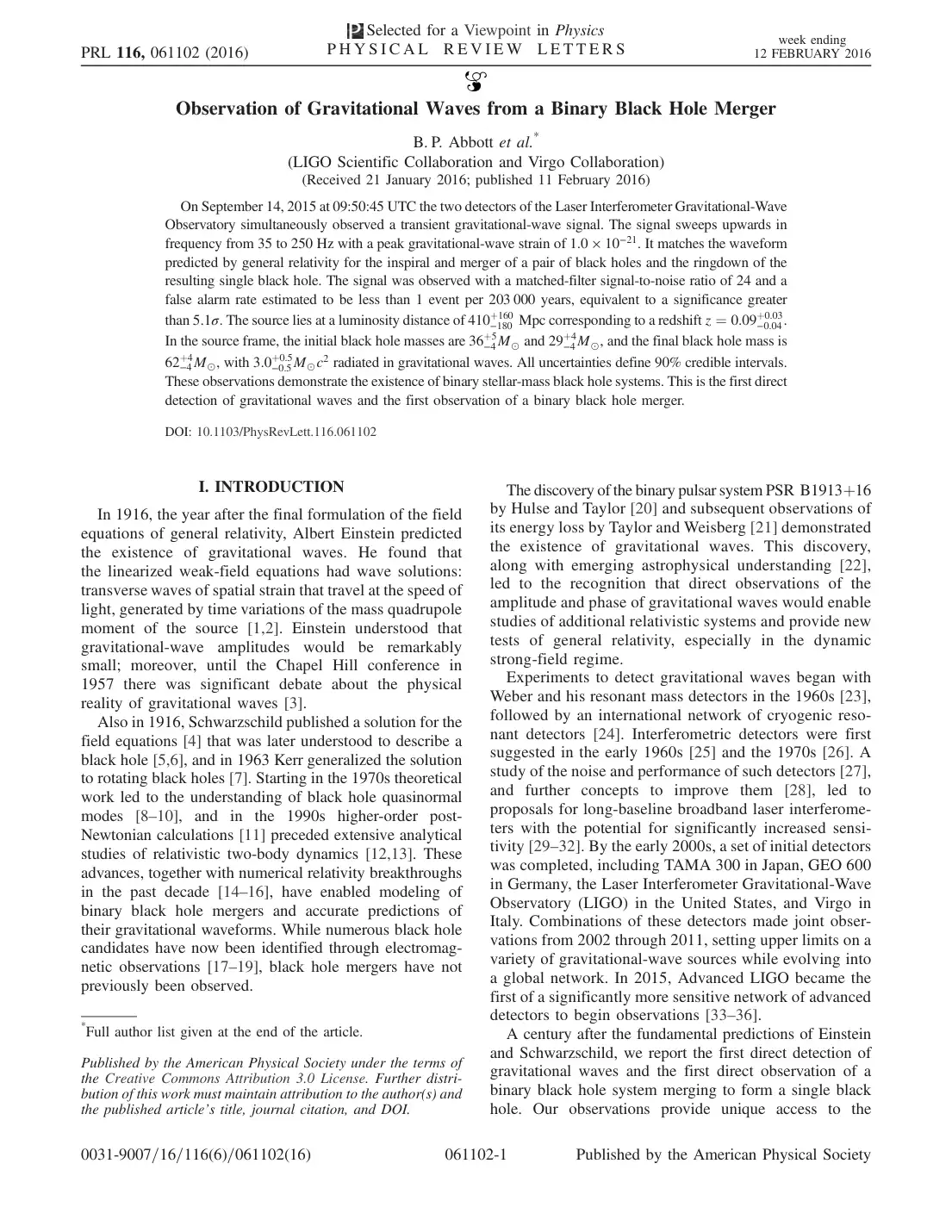 2016 · English · 16 pages
Gravitational waves detected
A born-digital paper: two-column layout, figures, a long author list.
Open side by side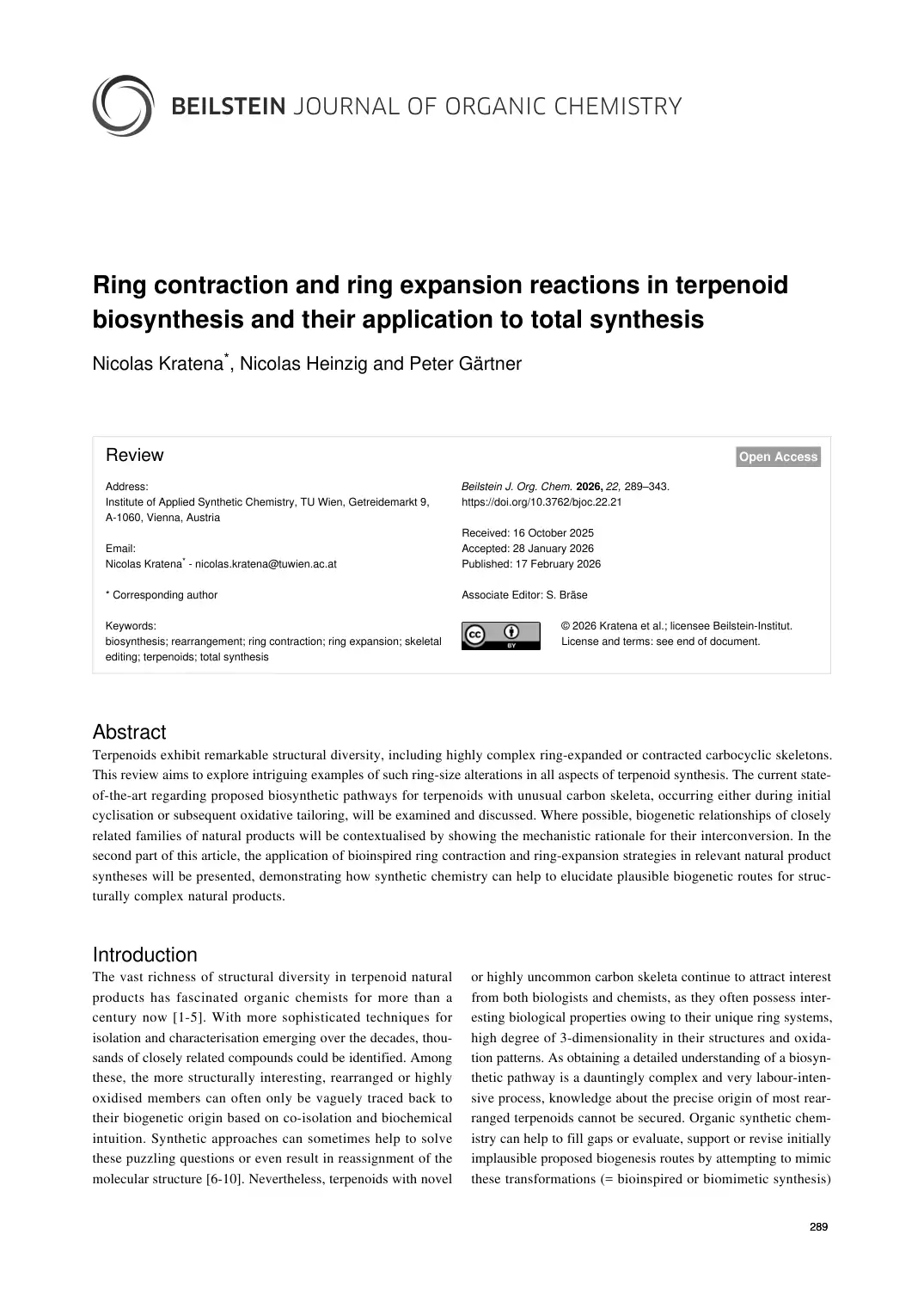 2026 · English · first 20 of 55 pages
Terpenoid ring reactions
A chemistry review: 60-odd reaction schemes and a long reference list.
Open side by side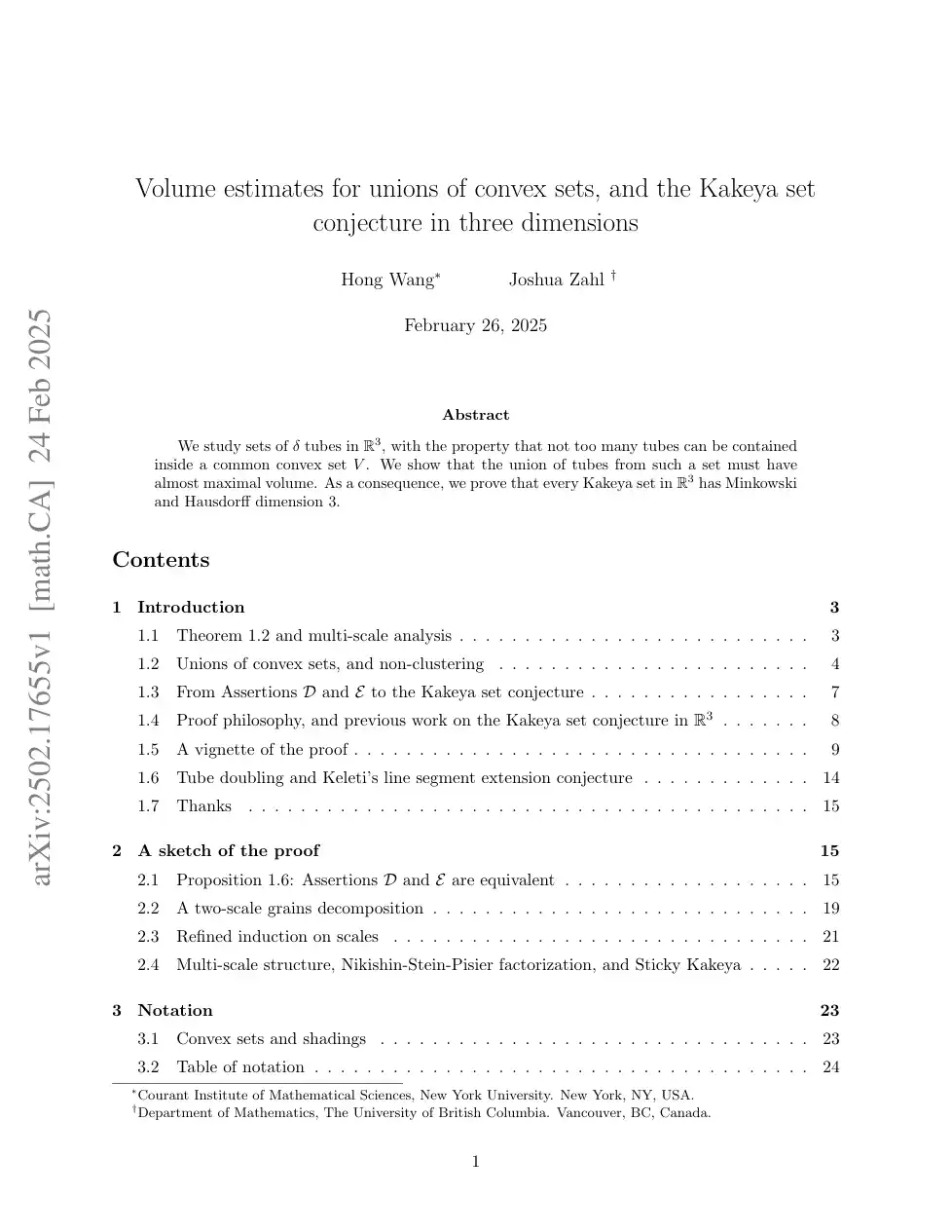 2025 · English · first 20 of 127 pages
The Kakeya conjecture, solved
A 127-page proof of a famous conjecture: over 7,000 pieces of math, inline and displayed.
Open side by side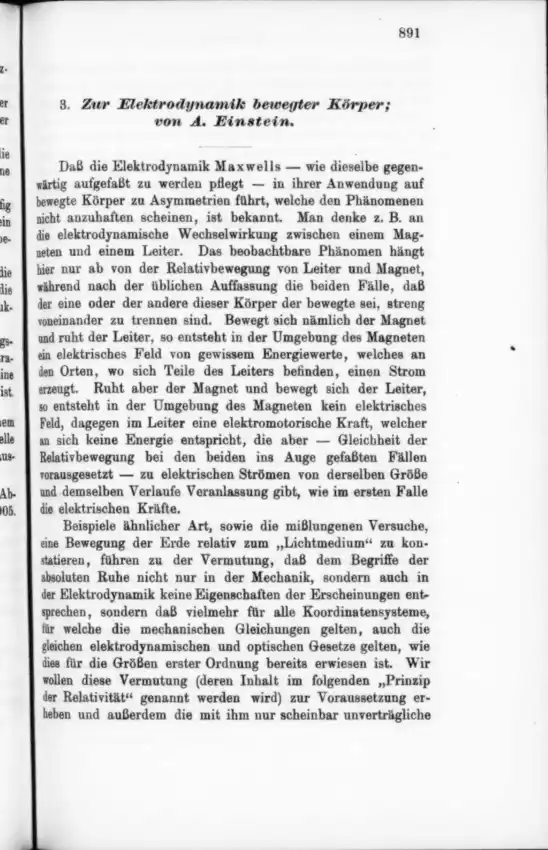 1905 · German · first 20 of 31 pages
Special relativity, in German
Special relativity as first printed, in German blackletter-era type.
Open side by side
Converted by Cashmere’s Pro parser, November 2026, and shown without hand corrections.
Thousands of PDFs or millions, ready for AI.
Cashmere converts your entire corpus quickly and accurately, from decades-old scans to last month’s releases, so AI can read it, cite it, and credit you.
Talk to us about your PDFs